
Contrast is what makes a room come alive. It creates rhythm, focus, and energy. Without it, even the most beautiful palette can feel flat. With it, every detail stands out with intention. The secret is not choosing opposites for shock value, but blending light and dark so they complement each other and tell a visual story.
Contrast is the dialogue between elements. Light and dark tones guide the eye, shaping how we experience a room’s proportions, textures, and mood. High contrast feels bold and architectural, while low contrast creates a quiet, seamless flow. The right balance gives depth, turning ordinary spaces into layered compositions.
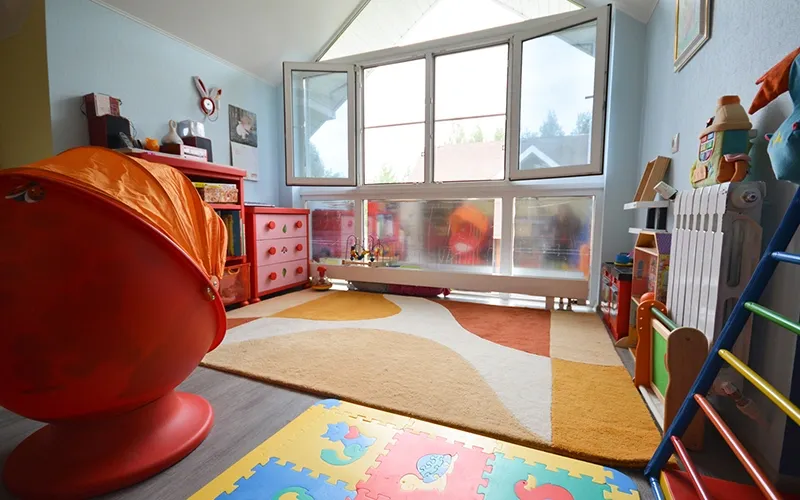
Contrast adds life. Balance keeps it calm.
Defines structure and energy
Combine light and dark tones within the same palette. Think ivory walls with espresso floors, or charcoal cabinetry with soft gray walls.
Adds depth and tactile appeal
Pair smooth with rough. A linen sofa beside a marble table or a matte wall next to a glossy trim adds richness.
Creates movement and focus
Mix curves with clean lines, bulky with delicate. A rounded lamp on a sleek console or a soft rug under a metal table brings dynamic balance.
Just as the 60-30-10 rule balances color, a contrast ratio can guide your light-dark distribution.
A reliable formula is 70-30: seventy percent light tones to open up the space, and thirty percent darker accents to ground it.
Light tones expand the room and highlight texture.
Dark tones add weight, definition, and elegance.
Inverting the ratio, with seventy percent dark and thirty percent light, creates a moody, enveloping effect perfect for libraries, dining rooms, or intimate spaces.
Medium contrast for comfort and structure
Cream walls with walnut furniture and soft gray textiles
Low contrast for calm and continuity
Warm beige walls with taupe bedding and ivory accents
High contrast for clarity and energy
White cabinetry with black hardware and oak shelves
Sharp contrast for a clean, modern feel
Pale stone tiles with dark grout and matte black fixtures
Neutrals let contrast breathe. They connect light and dark without competing for attention.
Texture softens transitions. A woven rug or natural wood breaks up stark shifts between light and dark surfaces.
Light defines contrast. Soft ambient light reduces harshness, while directional lighting highlights depth and edges.
Using high contrast everywhere. Reserve it for focal points or statement zones.
Ignoring undertones. A cool dark tone beside a warm light one can look unbalanced.
Forgetting texture. Without it, contrast feels graphic instead of layered.
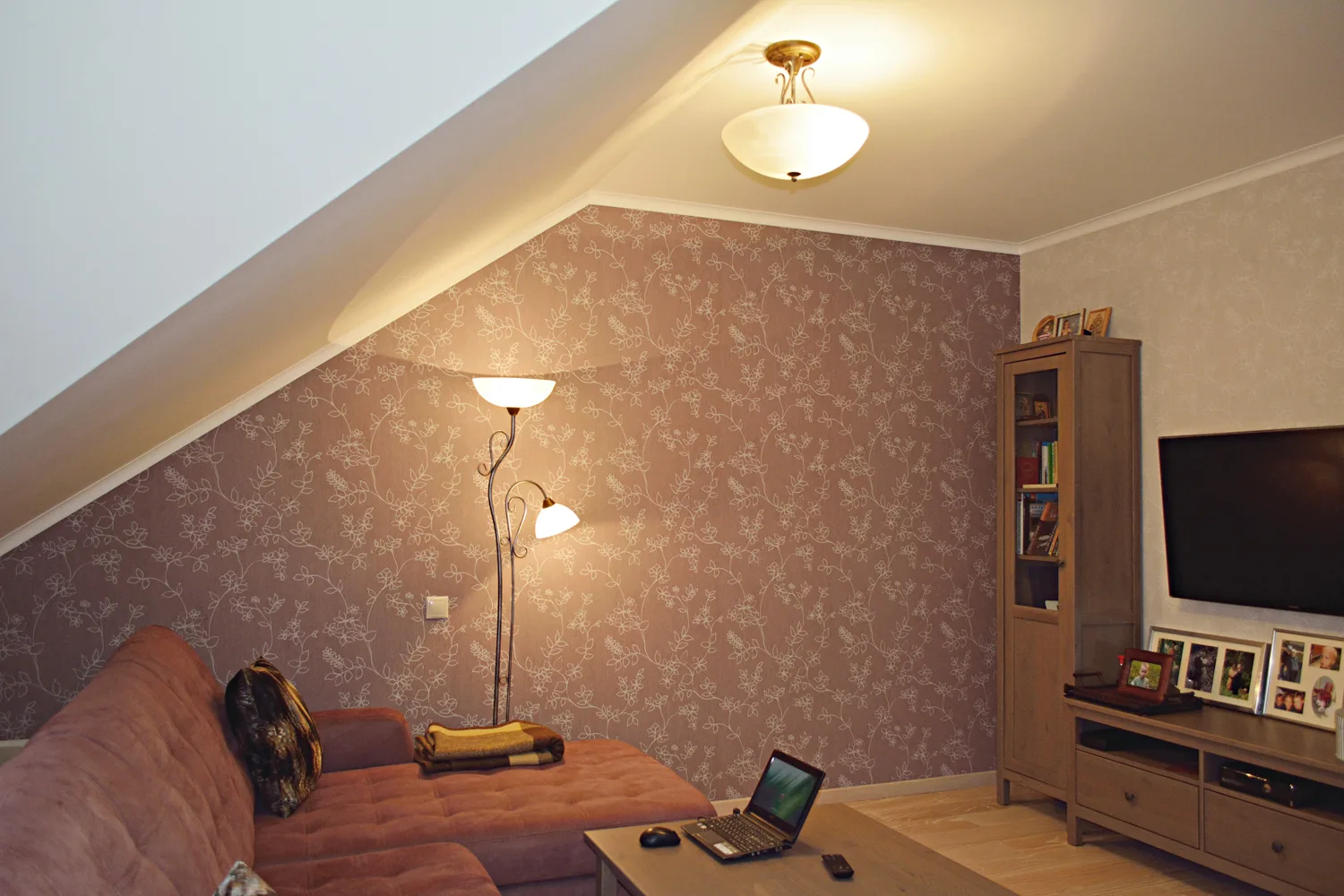
Light and dark in quiet balance.
When contrast is handled with care, every color, texture, and finish comes together to create a room that feels rich, calm, and full of life.
When contrast is handled with care, every color, texture, and finish comes together to create a room that feels rich, calm, and full of life.
Before finalizing your palette, take a moment to test how your contrasts behave in real light. Subtle changes can make all the difference between harmony and harshness.
Use samples side by side. Place your light and dark tones next to each other in the actual space. Seeing them together helps you catch undertones you might miss on a screen or small swatch.
Observe at different times of day. Natural and artificial light can completely change the way contrast reads. What feels crisp at noon may soften or flatten by evening. Always look at your palette in both warm and cool light.
Take a photo in black and white. Removing color helps you see the true balance between light and dark. If the photo feels flat, add a deeper tone or stronger highlight until the space has visual depth again.
Contrast is not about extremes. It is about harmony through opposition. When light and dark work together, they create dimension, personality, and balance. The right contrast turns a space from static to sculptural, guiding the eye, shaping mood, and revealing beauty in every detail.