
Most people hire interior design when something feels off but they cannot name what. The furniture is decent. The colors are fine. The room is tidy. Yet it still feels unfinished, awkward, or slightly stressful to be in.
That is the difference between decorating and design. Decorating is what you place in a room. Design is what the room does to you. A well designed space improves daily life in ways you can feel before you can explain. The invisible problems most homeowners never diagnose
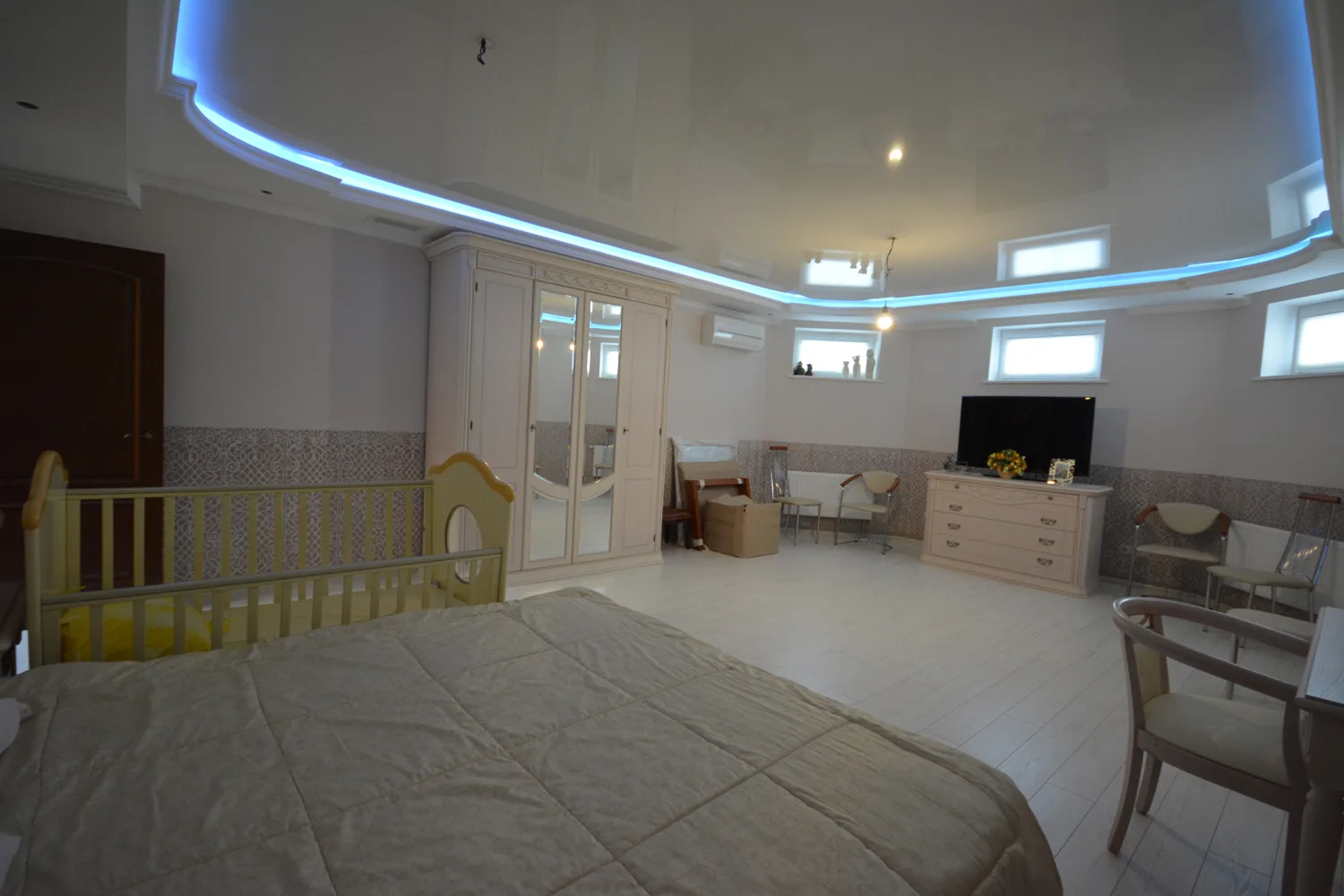
Soft light creates first impression and sets gentle rhythm.
A room can look good online and still function poorly in real life. The most common issues are not about taste. They are structural decisions that shape comfort and flow.
Here are the big ones.
Scale is the relationship between objects and the room itself. When the sofa is too small for the wall, the room feels underfurnished. When the chandelier is too large for the ceiling height, the space feels pressured. When side tables sit too low, everything feels slightly off, even if you cannot point to it.
Good layout is not about where the couch goes.
It is about how people move through the space and how the eye travels.
A strong layout does three things:
• creates a clear path through the room without obstacles
• establishes a focal point so attention has a place to land
• defines zones so the space supports different activities without feeling scattered
When layout is right, the room feels intuitive. You stop adjusting yourself to the space.
Lighting should be planned like a system, not purchased like accessories. Most homes rely too heavily on overhead fixtures, which can flatten texture and create glare.
A designer thinks in layers:
• ambient light for overall visibility
• task light for reading, cooking, grooming, working
• accent light for depth, warmth, and visual focus
layout lacks a focal point
establish a clear anchor and zones
scale is too small
increase rug, art, or furniture presence
lighting is unlayered
add task and accent lighting
too many competing tones
simplify palette and control placement
finishes are too similar
introduce texture contrast
If your home looks good but does not feel right, Olga Line Design can help. We create interiors that are functional, composed, and personal through proportion, layout, lighting, and material choices that work together as a single system.
Reach out to schedule a consultation and let us turn your rooms into spaces that support the way you actually live.
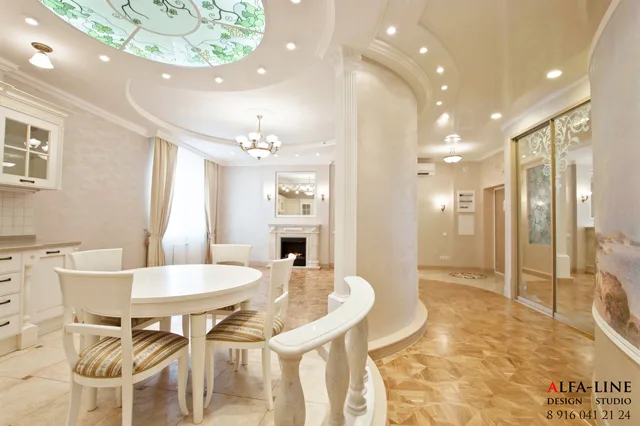
Curved forms guide gentle movement through space.
Interior design is not about adding more. It is about aligning what already exists so a room finally works the way it should. When scale feels right, movement is intuitive, lighting is layered, and materials are thoughtfully chosen, a space stops feeling awkward or unfinished and starts feeling complete.
That is the difference Olga Line Design brings. We do not decorate rooms to look good for a moment. We design them to function well, feel balanced, and support daily life over time.
When your home feels right, you stop adjusting to it. It adjusts to you.