
A rug is not just a soft surface. It is a layout tool. The right size makes furniture feel connected, the room feel intentional, and the whole space feel more finished. The wrong size does the opposite, even if the rug itself is beautiful.
Choosing a rug can feel strangely overwhelming. Sizes blur together, rooms look different online, and even a beautiful rug can feel wrong once it is in place. The reason is simple: rugs are not decorative add-ons. They are structural pieces that shape how a room functions, flows, and feels.
When you stop guessing and start thinking in terms of purpose and proportion, the right size becomes much easier to see.

A deep purple on the sofa works better than on every wall. Let the eye rest somewhere.
connect seating and define the zone
coffee table only rugs
keep chairs on rug when pulled out
chairs catching the edge
extend beyond bed for comfort
tiny rugs at the foot only
define arrival space and protect floor
rugs that block door swing
Once you understand proportion, you can experiment endlessly, blending undertones, shifting textures, and changing light. The 60-30-10 method isn’t about perfection; it’s about control. When your palette is balanced, when everything else like materials, shapes, and details finally clicks into place!
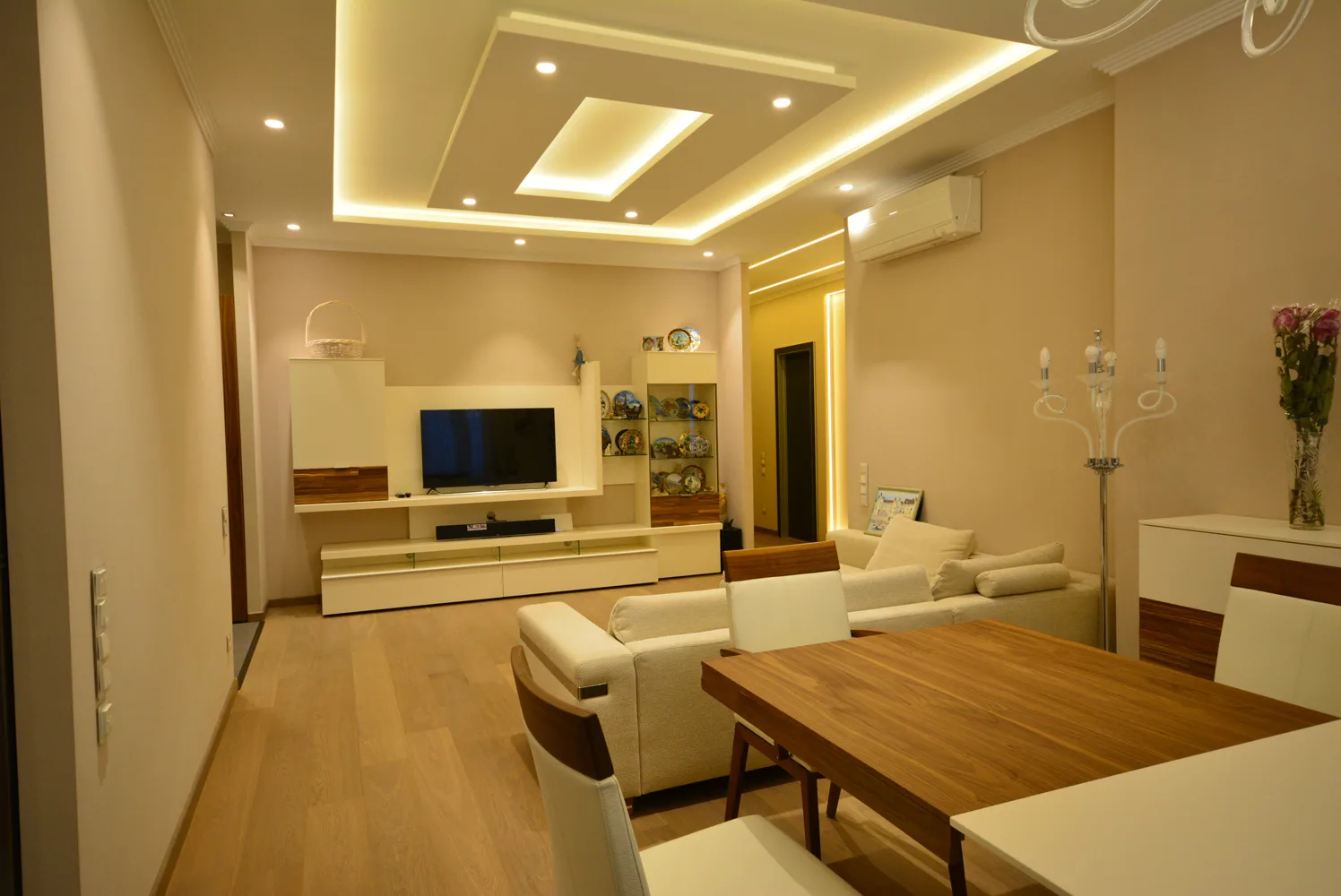
Subtle tones, layered textures, timeless calm
“The right rug doesn’t decorate the space. It anchors it.”
At Olga Line Design, rug selection starts with layout and proportion, not shopping. We measure the zone, confirm furniture placement, and choose a size that supports flow. Then we match material, texture, and tone to the home so the rug adds warmth without adding visual noise.
If you are choosing rugs for a new space or replacing one that never felt right, we can help you get it right the first time.
Schedule a consultation with Olga Line Design and we will build a rug plan that fits your room, your lifestyle, and the way you want the space to feel.
Choosing the right rug size is not about memorizing rules. It is about understanding how a room wants to function and giving it a foundation that supports that flow. When a rug is properly scaled, everything else feels easier. Furniture settles. Movement feels natural. The space finally feels complete.