
Some spaces feel like a soft landing. You walk in and your shoulders drop before you even think a thought. Other rooms can be beautiful and still feel slightly tense. The difference is rarely the sofa. It is the atmosphere.
Whether you notice it or not, your brain reads a space for signals: safety, clarity, and ease. When the environment feels predictable and balanced, your attention settles. When it feels crowded, harsh, or visually fragmented, the mind stays alert.
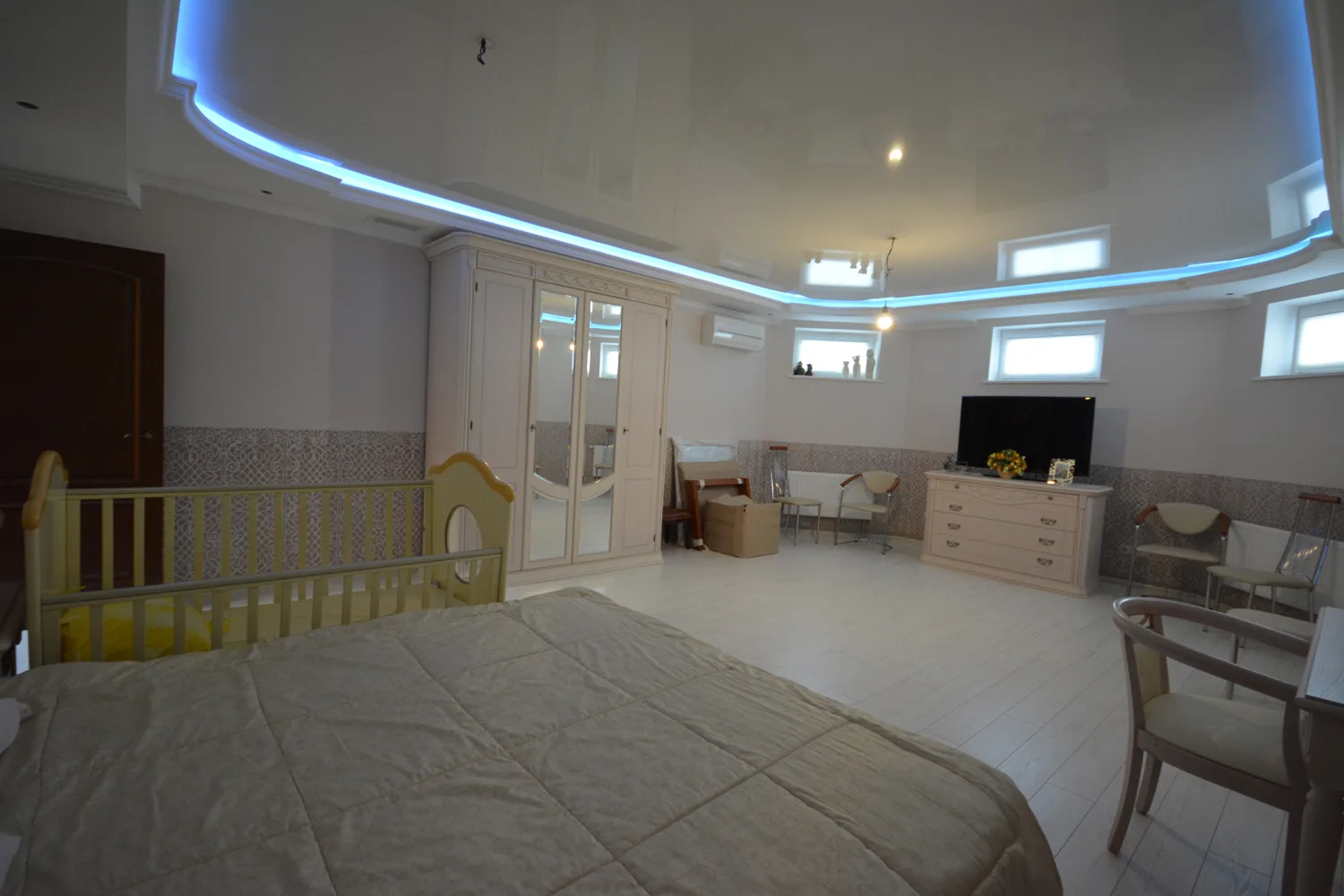
Soft light creates first impression and sets gentle rhythm.
Design can either lower the volume of daily life or amplify it.
A calm home is not a style. It is a nervous system response.
A room tends to feel soothing when it offers these five conditions.
High contrast can look striking, but it also creates tension in bright light. Calm interiors tend to use gentle transitions: warm whites, soft taupes, greige, muted clay, and earthy tones.
Accents still matter, but they work best when they are precise. One brass note. One olive touch. A quiet terracotta detail. The room stays calm because contrast stays controlled.
Boldness is not the goal. Balance is.
Your nervous system relaxes when a room makes sense at a glance.
Gentle light, muted contrast, and natural texture lower mental noise.
What you leave open matters as much as what you add.
clear one surface and keep it open
reduces noise
space objects apart
creates rhythm
add one curved form
improves flow
scale up one anchor
creates stability
Sometimes you can declutter forever and the room still feels off. That usually means the foundation needs adjustment: proportion, lighting scale, layout, and a cohesive palette that fits your lifestyle.
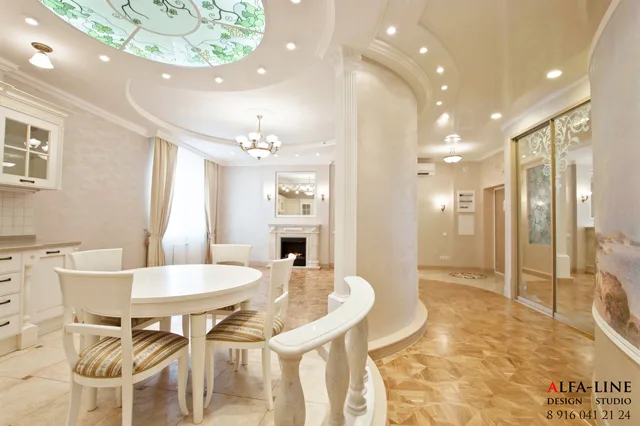
Curved forms guide gentle movement through space.
If you want help shaping a space that feels grounded, balanced, and quietly refined, OlgaLine Design interior design will guide you from the foundations to the finishing details. We focus on proportion, lighting, natural materials, and calm palettes that hold up beautifully over time.
Schedule a consultation with Olga and I will help you create a home that feels better to live in every day.
A calm home is not something you decorate into existence. It is something you signal—to your brain, your body, and your daily rhythms. When a room feels clear, softly lit, and thoughtfully spaced, your nervous system recognizes it as a place to rest.
That is why some rooms feel better instantly. They are not louder or trendier. They are quieter, more intentional, and more humane.
When your home stops asking for constant attention, it gives something back instead: ease. And that feeling is what turns a space into a true refuge.